
Dredging in Texas is essential to maintaining navigable waterways, ports, harbors, and coastal infrastructure. At the same time, it must be done under a complex framework of regulations and laws intended to protect sensitive ecosystems, coastal waters, wetlands, and water quality. For dredging companies and project proponents, navigating those regulations — obtaining dredging permits in Texas, ensuring environmental compliance with dredging, and maintaining local standards — can be challenging. In this post, we explore key regulatory challenges for dredging in Texas, what they mean in practice, and how a company like Lone Star Dredge Services systematically meets them.
Understanding the Regulatory Framework for Texas Dredging
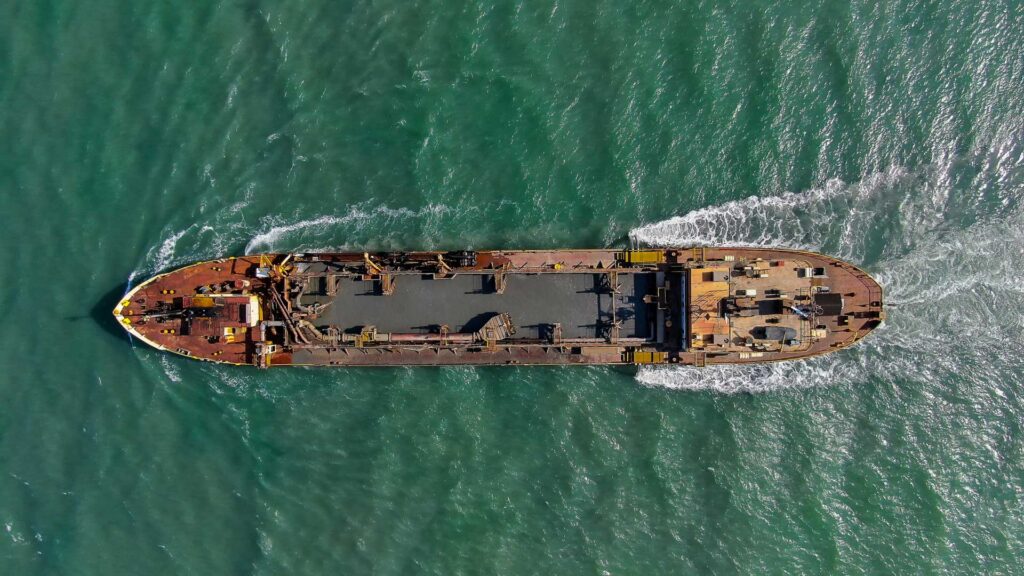
Federal and State-Level Oversight
At the federal level, many dredging projects are governed by the Clean Water Act (CWA), especially Section 404. Under Section 404, discharge of dredged or fill material into waters of the United States — including wetlands, rivers, lakes, and estuaries — requires a permit. The permitting process is managed by the U.S. Army Corps of Engineers (USACE), which evaluates applications for their environmental impacts, considers alternatives, and enforces compliance.
At the state level, the regulations are layered. In Texas, various agencies contribute to oversight, notably the Texas Commission on Environmental Quality (TCEQ), which handles water-quality certification (among other environmental permits) when required. Also, for coastal dredging and placement of dredged material, there are specific state regulations in 31 Tex. Admin. Code § 26.25, which lays out policies to avoid or minimize adverse effects to coastal waters, submerged lands, critical areas, and Gulf beaches.
Hence, any dredging project in Texas typically must meet both federal and state requirements.
Key Regulatory Requirements
These regulations translate into concrete requirements on how dredging is planned, permitted, executed, and monitored. Some of the most important are:
- Demonstrating that there is no practicable alternative less harmful to aquatic resources before dredging can proceed.
- Minimizing adverse impacts on water quality, aquatic life, wetlands, and critical coastal zones.
- Proper handling, treatment, and disposal (or beneficial reuse) of dredged material — for example, ensuring that toxic sediments are not simply dumped into environmentally sensitive areas.
- Timing dredging activities to avoid biological sensitive periods — such as fish spawning or migratory windows — and minimizing disruptions to fauna.
- In many cases, obtaining water-quality certification from TCEQ before dredged or fill materials are discharged or placed.
This regulatory framework — often collectively referred to as “Texas dredging regulations” — reflects a balance between economic necessity (ports, harbors, navigation, flood control, development) and environmental protection.
Why Permitting and Compliance Are Challenging
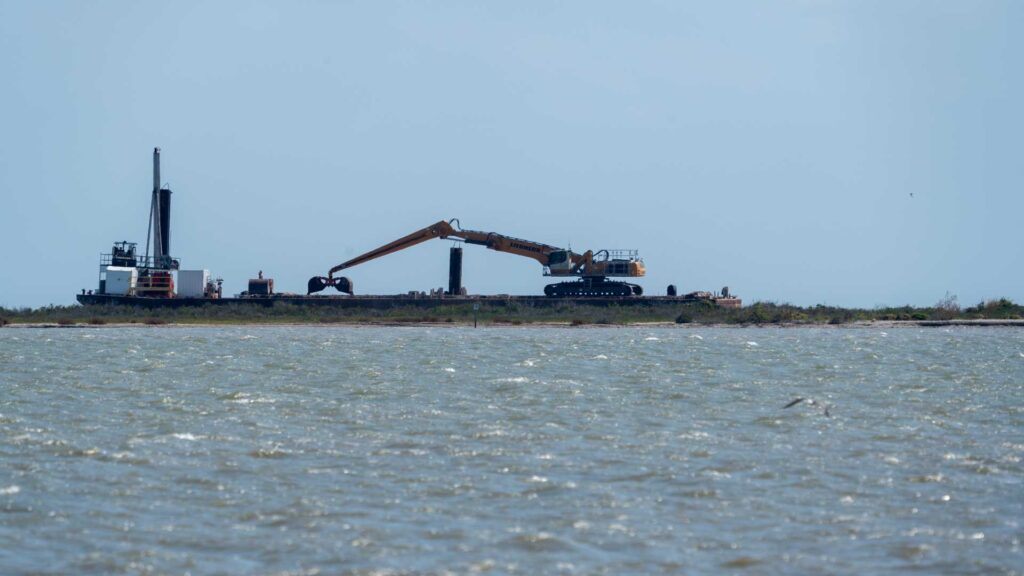
Even though the goals of regulation are well-intentioned, dredging companies in Texas often face considerable obstacles when seeking permits and ensuring environmental compliance for dredging. Some of the main challenges include:
1. Complexity & Overlapping Jurisdictions
Because federal and state laws both apply, and sometimes local or regional authorities add further oversight, obtaining dredging permits in Texas often requires navigating a maze of regulators. Applicants may need USACE approval under CWA Section 404, water-quality certification from TCEQ, and compliance with state coastal management regulations under 31 Tex. Admin. Code § 26.25. This complexity can delay projects, increase costs, and require substantial pre-planning.
2. Detailed Environmental Review and Mitigation Requirements
Regulators assess not only the dredging itself but also the disposal and placement of dredged material, under 31 Tex. Admin. Code § 26.25, dredged material disposal or placement cannot unduly harm coastal waters, submerged lands, critical coastal areas, or Gulf beaches. In many cases, projects must include compensatory mitigation, containment systems, or beneficial reuse plans for dredged materials.
3. Environmental Sensitivity of Texas Coastal & Inland Waters
Texas’s coastal areas — including around the Houston Ship Channel, Galveston Bay, Corpus Christi, the Gulf Coast, and estuaries — are ecologically sensitive. Dredging here poses risks to wetlands, critical habitats, water quality, and marine life. Environmental-compliance dredging, therefore, demands careful planning, monitoring, and adaptive management to avoid harming these systems. Timing dredging outside spawning or migration seasons, controlling turbidity, and limiting material disposal are among the measures required.
4. Public and Stakeholder Engagement, Legal Scrutiny
Especially larger dredging or disposal projects can trigger scrutiny from environmental groups, local communities, or even regulatory challenges under federal laws. Under Section 404, permit approvals may involve public notices, public interest reviews, and, in some cases, compensatory mitigation or restrictions on disposal sites.
5. Cost, Time, and Logistical Constraints
Complying with all these requirements — environmental assessments, permit applications, mitigation planning, sediment testing, containment, monitoring — adds time and cost. For dredging companies and their clients, this may pose project risks. The uncertainty of permit timelines (especially for individual permits under USACE) can complicate scheduling, budgeting, and forecasting.
Best Practices for Environmental Compliance Dredging in Texas
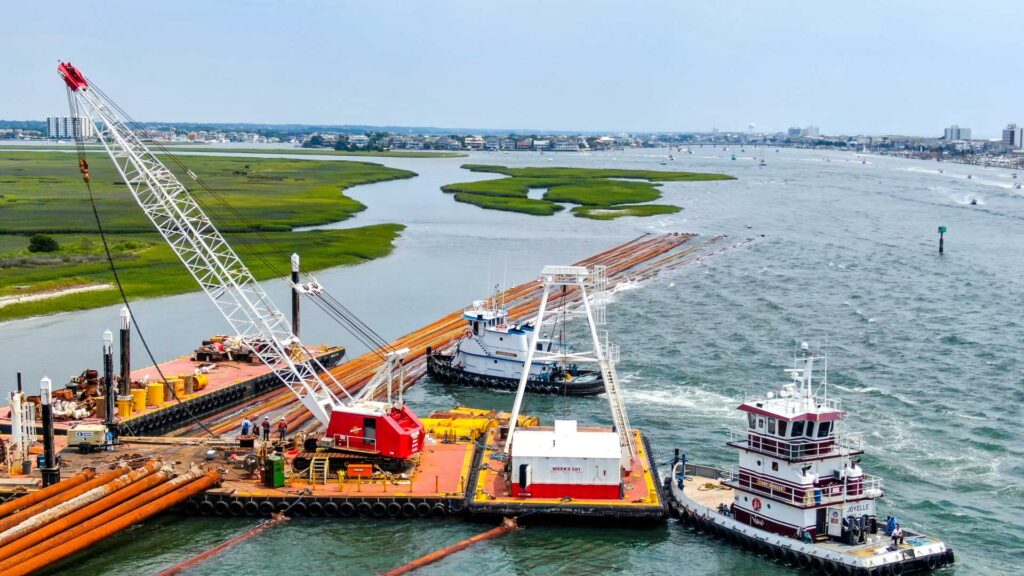
Given these challenges, responsible dredging companies must adopt best practices to ensure compliance and environmental stewardship. Below are some of the most effective practices — and the ones followed by a conscientious operator such as Lone Star Dredge Services.
Planning & Pre-Project Phase
- Comprehensive site assessment — Before applying for Texas dredging permits, conduct detailed environmental and hydrological assessments, substrate sampling, sediment toxicity testing, and habitat surveys.
- Alternatives analysis — Demonstrate there is no practicable alternative to dredging; whenever possible, use existing channels or previously disturbed areas rather than creating new channels. This meets the requirement under 31 Tex. Admin. Code § 26.25 that prohibits dredging when a less damaging alternative exists.
- Beneficial use evaluation — Rather than defaulting to disposal, evaluate whether dredged material can be used beneficially — for example, shoreline stabilization, beach nourishment, or erosion control. Such uses are explicitly encouraged when material quality and costs are reasonable.
- Engage regulators early — Start coordination early with USACE, TCEQ, and any relevant coastal or local authorities to understand permit requirements, timelines, and mitigation expectations.
Permitting and Compliance Strategy
- Apply for all required dredging permits in Texas — including federal permits under CWA Section 404 and any required state water-quality certifications and coastal management approvals.
- Prepare a robust environmental compliance dredging plan — detailing dredging methods, turbidity control, sediment containment, disposal or reuse, mitigation measures, monitoring, and post-project restoration.
- Use best-in-class equipment and techniques — leveraging dredging technology that minimizes turbidity and disturbance, reduces resuspension of contaminants, and ensures precise excavation. This aligns with guidance from dredged material management manuals.
- Monitor and document impacts — during dredging, implement turbidity monitoring, water-quality sampling, and post-dredge ecological assessments; maintain records in case of audits or inspections.
Post-Project Management
- Stabilize and restore sites — after dredging and material placement, restore shorelines, wetlands, or other impacted zones; revegetation or native plant reintroduction may be needed. This helps meet the requirements under Texas regulations for minimizing long-term ecological damage.
- Maintain transparency with stakeholders — provide documentation to regulators, clients, and, if applicable, the public regarding environmental compliance, dredging efforts, monitoring results, and mitigation outcomes.
How Lone Star Dredge Services Complies with Texas Dredging Regulations
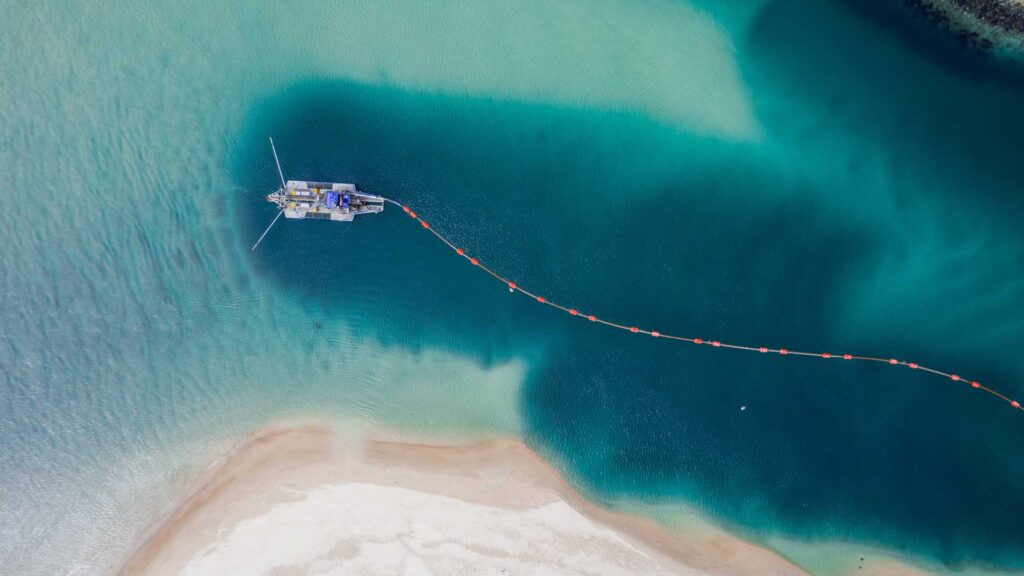
At Lone Star Dredge Services, we understand that dredging in Texas is not merely about moving sediment. It is about balancing the need for navigational safety, flood control, harbor maintenance, or coastal development, with rigorous environmental stewardship. Here is how we ensure compliance and sustainability in every project:
- Regulatory-first mindset: Before mobilizing equipment, our project teams coordinate with USACE, TCEQ, and coastal management authorities to obtain all required Texas dredging permits. We never begin dredging until all federal, state, and local statutory approvals are in place.
- Pre-dredge environmental due diligence: Our engineers and environmental specialists conduct thorough site assessments, sediment sampling, and substrate analysis. We evaluate whether dredged material qualifies for beneficial reuse, or if it must be disposed of in contained upland sites — in accordance with state policy.
- Use of best-available dredging techniques: We deploy dredging and disposal methods designed to minimize turbidity, sediment plumes, and disruption of aquatic life. Our crews are trained in sediment containment, timing operations outside sensitive biological periods, and deploying silt screens or diffusers when required.
- Environmental compliance dredging plan per project: Every job includes a bespoke compliance plan covering how we dredge, handle dredged material, contain and dispose of or reuse it, and monitor water quality. We also factor in mitigation or restoration measures when needed.
- Post-project restoration & documentation: After dredging, we undertake shoreline stabilization, revegetation, and other restoration activities as needed. We maintain detailed monitoring records and are ready to provide reports to regulators or stakeholders that demonstrate full compliance.
- Commitment to community and environmental values: Particularly in sensitive coastal zones — such as near Galveston Bay, Houston Ship Channel, Corpus Christi, or along Gulf Coast estuaries — we respect environmental and community concerns. We strive to limit ecological impacts, preserve aquatic habitats, and apply best practices for sustainable dredging.
In doing so, Lone Star Dredge Services not only adheres to all relevant Texas dredging regulations but also sets a high standard for responsible dredging operations across the state.

Common Regulatory Challenges (and How to Overcome Them)
Even with best practices, dredging in Texas can hit roadblocks. Below are some of the common challenges — and how we advise clients and manage them:
| Challenge | How Lone Star Addresses It |
| Long permit timelines (especially for complex dredging or disposal) | Early planning, early submission; pre-application consultations with regulators; flexible scheduling to account for permit delays |
| Uncertainty in dredged material quality (e.g., contaminated sediments) | Pre-dredge sediment sampling and toxicity testing; if needed, plan for contained disposal or remediation; avoid risky dumping into sensitive zones |
| Sensitive coastal ecosystem/wetland impacts | Alternatives analysis (use existing channels), careful disposal planning, timing dredging to avoid critical biological periods, using best dredging practices to minimize turbidity and disturbance |
| Community/stakeholder opposition | Transparent communication, environmental compliance, dredging plan, mitigation or beneficial reuse proposals, open documentation, and reporting |
| Cost and logistics of mitigation, containment, and restoration | Evaluate beneficial reuse of dredged material (e.g., shoreline protection, beach nourishment) to offset cost; factor mitigation in project budget early |
Why “Environmental Compliance Dredging” Matters for Texas
Using the term “environmental compliance dredging” is more than a slogan. It reflects a holistic philosophy: dredging should be done responsibly, with respect for water quality, aquatic life, coastal ecosystems, and long-term sustainability. In Texas — with its extensive coastline, sensitive estuaries, booming ports, and diverse aquatic habitats — this philosophy is especially critical.
By embracing environmental compliance dredging, companies help preserve wetlands, estuaries, beaches, and habitats for fish, birds, and other wildlife. They contribute to cleaner water, safer navigation, and sustainable development. And they build trust with regulators, stakeholders, and local communities.
For project owners and clients, environmental compliance dredging also reduces legal and reputational risk. It ensures that dredging permits in Texas are obtained properly; avoids unexpected enforcement actions; and ensures that projects are even eligible for the beneficial reuse of dredged sediments.
Local Context: Texas Conditions & Coastal Realities
Texas’s coastal waters — from the Houston Ship Channel to Galveston Bay, Corpus Christi to the Lower Laguna Madre — face unique pressures. Commercial shipping, port expansion, beach nourishment, hurricane-driven erosion, and rising sea levels all increase demand for dredging. At the same time, wetlands, barrier islands, estuaries, bays, and Gulf beaches host fragile ecosystems and provide critical habitat for fish, birds, and marine life.
Under 31 Tex. Admin. Code § 26.25, dredging and placement of dredged material along the coast must avoid or minimize harm to submerged lands, coastal shore areas, Gulf beaches, and critical habitats.
Given the dynamic coastal processes — tides, currents, erosion, sedimentation — dredging requires careful planning. A dredging project in Galveston Bay may require silt screens to contain turbidity; disposal may require beneficial reuse (e.g., beach nourishment) or containment at upland sites to avoid sensitive habitats. A project near Corpus Christi may involve considerations of saltwater and estuarine ecology. At the same time, a harbor-maintenance dredge near Houston may require coordination with heavy port traffic, shipping schedules, and commercial interests.
Local weather — hurricanes, storms, seasonal fluctuations — also influences dredging windows, disposal planning, and restoration schedules. That is why a deep understanding of local hydrodynamics, sediment types, and ecological cycles is vital for any dredging operator in Texas.
How Regulatory Challenges Affect Project Planning & Cost
Because “Texas dredging regulations,” “dredging permits Texas,” and “environmental compliance dredging” impose rigorous requirements, they invariably shape project timelines and budgets. Some impacts include:
- Longer lead times — Planning, environmental assessments, sampling, permit applications, and reviews can add months before dredging even begins.
- Increased costs — of environmental studies, sediment testing, mitigation measures, containment, disposal or beneficial reuse, monitoring, and restoration.
- Uncertainty and risk — unexpected sediment contamination, permit delays or denials, changing regulatory standards, or stakeholders’ objections can pose financial and scheduling risks.
- Need for specialist expertise — dredging firms must have environmental engineers, compliance officers, monitoring specialists, and restorations crews; not all dredging contractors can meet such demand.
That is why responsible, experienced dredging firms — like Lone Star Dredge Services — that specialize in compliance dredging and have a good track record with regulators are often the preferable choice for clients seeking dredging services in Texas.
Recommendations for Clients and Project Owners
If you are planning a dredging project in Texas — whether for port maintenance, coastal development, harbor deepening, storm-damage recovery, or shoreline stabilization — here are some recommendations:
- Engage a dredging contractor with a strong compliance record. Ask for evidence they have successfully secured dredging permits Texas, worked with TCEQ and USACE, and conducted environmental compliance dredging.
- Plan early and budget realistically. Account for permit lead times, sampling and testing, mitigation, monitoring, restoration, and possible delays.
- Conduct thorough environmental assessment up front. Including substrate and sediment testing, hydrology and flow evaluation, habitat surveys.
- Consider beneficial reuse of dredged material. For shoreline stabilization, beach nourishment, land reclamation, or erosion control, when material is suitable — this often provides ecological and economic value.
- Implement robust compliance and monitoring plans. Define turbidity control, disposal methods, containment, water-quality monitoring, and post-project restoration.
- Communicate transparently with regulators and stakeholders. Early consultation, clear documentation, and willingness to adapt reduce risk of delays or opposition.
Lone Star Dredge: Where Texas Dredging Meets Environmental Stewardship
Dredging is vital for Texas — for navigation, ports, harbors, coastal development, flood control, and erosion mitigation. But dredging without regard for the environment can cause serious harm: damage to wetlands, loss of habitat, water-quality degradation, disruption of ecosystems, and long-term consequences for coastal resilience. That is why Texas dredging regulations are so important: they ensure dredging is done responsibly, with respect for ecological and community values.
Navigating those regulations — obtaining dredging permits Texas, achieving environmental compliance dredging, meeting federal and state standards, planning for disposal or reuse of dredged material, timing dredging to avoid sensitive periods — is no small feat. It requires expertise, planning, transparency, and a commitment to best practices.
At Lone Star Dredge Services, we meet that challenge head-on. We plan thoroughly, secure all required permits, use best-in-class dredging and disposal methods, and monitor and restore sites after work is complete. We believe that dredging and environmental stewardship can — and must — go hand in hand.