
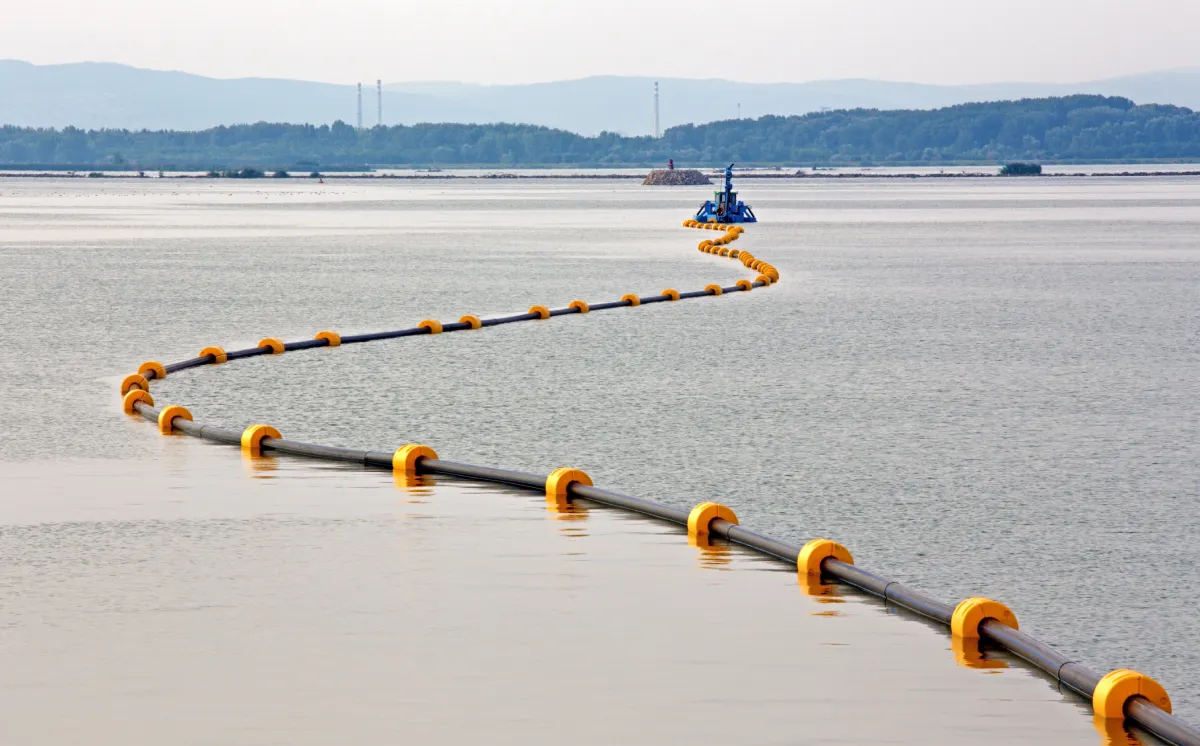
In many sediment removal projects, dredging and dewatering are still managed as separate operations, often handled by different teams or contractors. This fragmented approach creates inefficiencies that increase both time and cost. When dredging output is not synchronized with dewatering capacity, projects face unnecessary idle hours, material rehandling, and logistical challenges that slow progress.
These disconnects also increase fuel consumption, labor costs, and equipment rental duration, making what should be a streamlined process unnecessarily expensive.
To overcome these recurring issues, more contractors and municipalities are turning to integrated dredging and dewatering service models. By combining both operations into one cohesive system, teams can achieve greater control, reduce waste, and significantly improve overall project economics.
Understanding the Dredging and Dewatering Workflow
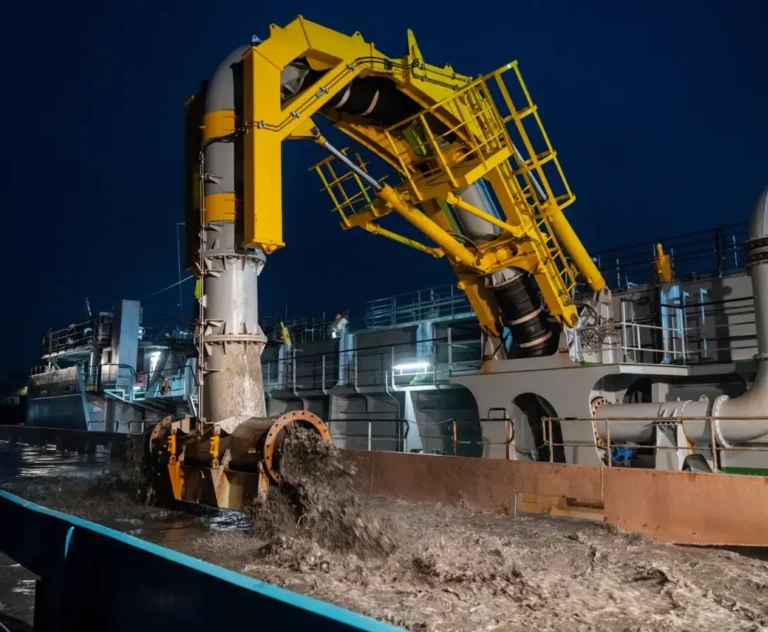
Every successful sediment management project begins with a clear understanding of how dredging and dewatering systems work together. The process starts with the removal of accumulated sediments from riverbeds, harbors, ponds, or industrial basins using specialized dredging service equipment. This material, often mixed with large volumes of water, forms a slurry that must be efficiently transported through pipelines to a designated processing area.
At this stage, dewatering systems separate solids from the water to reduce disposal costs and make material handling easier. Whether using geotextile tubes, centrifuges, or mechanical presses, the goal is to achieve the right balance between water removal and throughput efficiency.
To ensure smooth operations, pump flow rates, pipeline diameters, and dewatering setups must be precisely synchronized. When these systems operate in harmony, they minimize energy waste, prevent clogging, and maintain consistent performance across the entire dredging and dewatering process, setting the foundation for the integrated approach discussed next.
The Case for Integration: One System, Multiple Gains
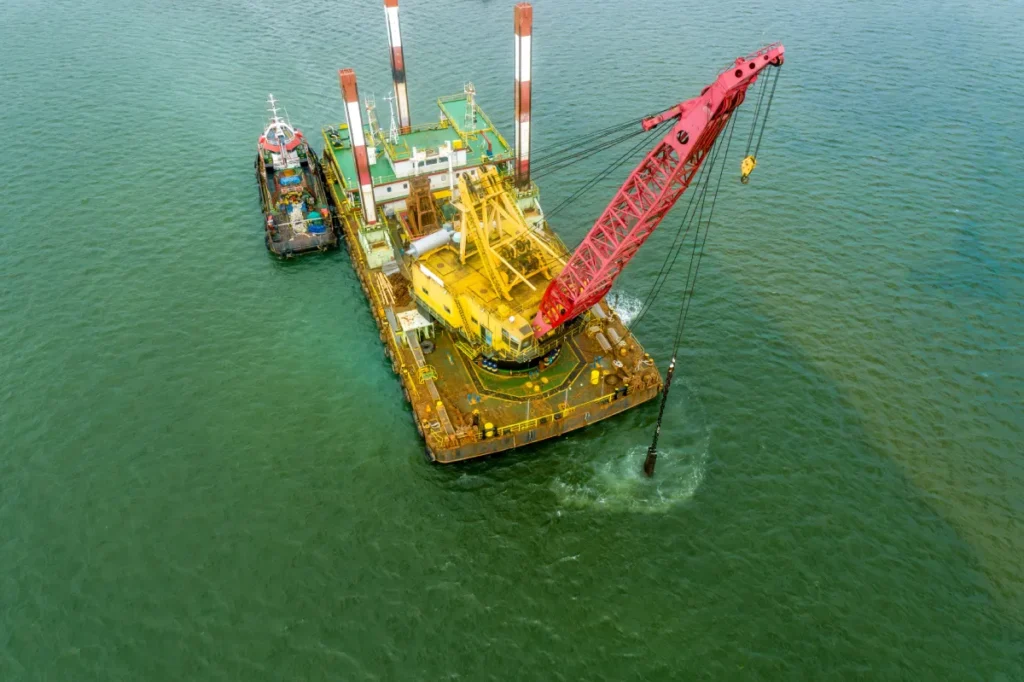
Integrating dredging and dewatering operations transforms the way sediment management projects are executed. Instead of treating each stage as an isolated process, a unified system creates a continuous, efficient flow from sediment removal to final disposal. This coordination not only streamlines scheduling and communication but also ensures that both teams—dredging and dewatering—work with shared objectives and real-time performance data.
Key advantages of integration include:
- Improved coordination and scheduling: A single operational plan reduces downtime between dredging and dewatering phases, allowing projects to progress faster with fewer logistical disruptions.
- Reduced fuel, workforce, and equipment handling: Shared power sources, transport pipelines, and dewatering infrastructure eliminate redundant use of resources and minimize on-site movements.
- Lower risk of material rehandling and re-pumping losses: Continuous slurry flow from the dredge to the dewatering unit prevents material settlement in pipelines, reducing energy costs and improving overall system reliability.
By integrating both functions into a single operational framework, contractors can achieve higher productivity, tighter cost control, and more predictable project outcomes, laying the groundwork for further optimization through modern technology.
Technological Convergence Driving Efficiency
Advancements in dredging and dewatering technology are reshaping how contractors manage performance, efficiency, and project timelines. Smart pump controls now allow operators to fine-tune dredging output based on sediment density, flow rate, and site conditions. With remote monitoring systems, project managers can oversee dredging service operations in real time, ensuring consistent production without the need for constant manual adjustments.
Automation has also made significant progress on the dewatering side. Features such as automated polymer dosing and filter press optimization improve solid recovery and reduce processing time. Mobile dewatering units provide additional flexibility, enabling faster setup and relocation between job sites.
Telemetry and IoT integrations bring these systems together by maintaining a continuous data link between dredge output and dewatering performance. When both processes are digitally synchronized, projects achieve greater efficiency, reduced downtime, and improved resource utilization, setting the stage for more sustainable and cost-effective sediment management.
Logistical and Environmental Advantages
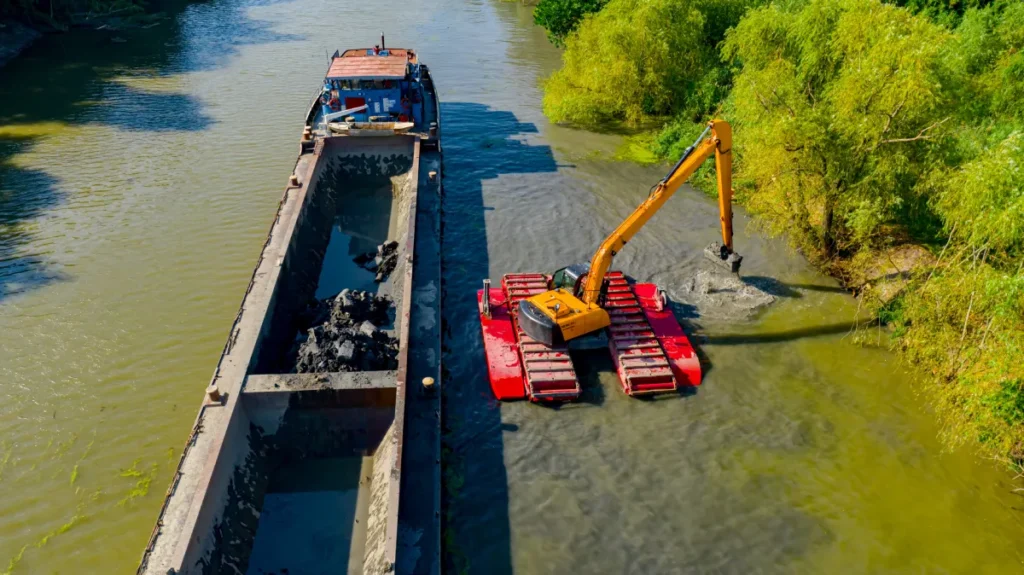
Integrated dredging and dewatering systems redefine project logistics by combining material processing and handling into a single, coordinated workflow. Instead of hauling wet sediments to distant treatment facilities, on-site dewatering allows contractors to process and dry material directly where dredging occurs. This approach reduces transportation costs, fuel usage, and the environmental footprint of heavy vehicle movement.
Key logistical and environmental benefits include:
- Fewer haul-off and disposal trips minimize fuel consumption and shorten project timelines.
- Compact system layouts that reduce space requirements and simplify compliance with local site and safety regulations.
- Controlled slurry discharge that keeps turbidity levels low and protects surrounding ecosystems.
By managing dredge output and dewatering performance within the same operational area, projects gain efficiency while meeting stricter environmental standards. The result is a cleaner, faster, and more sustainable way to execute large-scale sediment removal projects.

Measuring the Financial Impact
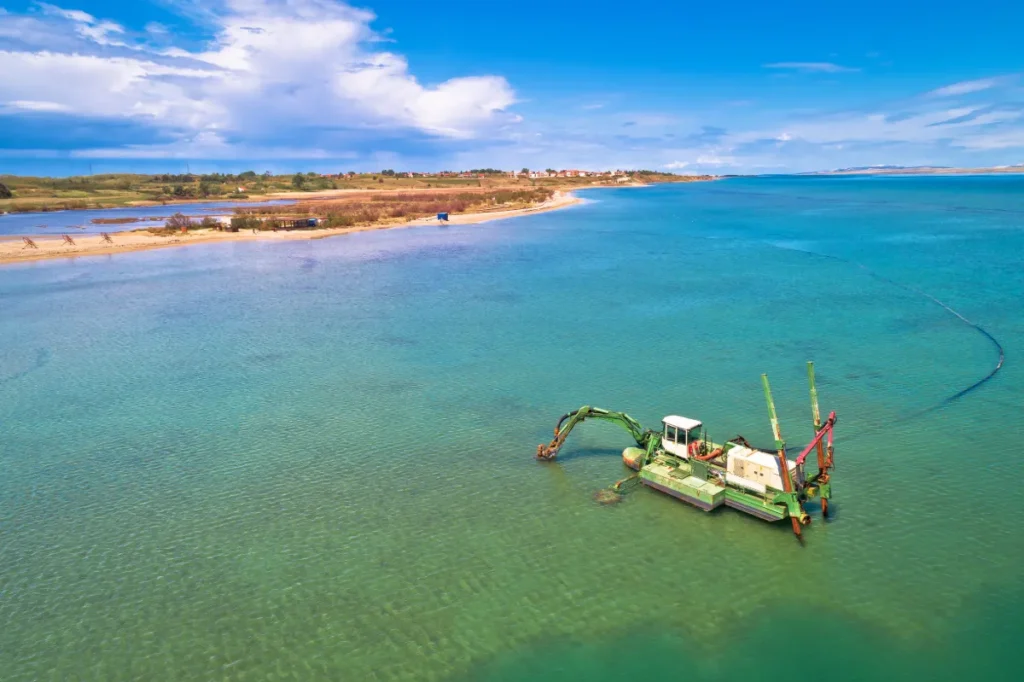
Understanding the financial advantages of integrated dredging and dewatering systems is key to evaluating their long-term value. Traditional project models often treat dredging and dewatering as separate contracts, resulting in overlapping costs for fuel, workforce, and equipment mobilization. When both operations are unified, these inefficiencies are replaced with a single, streamlined workflow that delivers measurable savings.
Key areas of cost reduction include:
- Fuel and power consumption: Coordinated operation between dredge pumps and dewatering units reduces idle time and energy waste.
- Labor efficiency: Shared teams and synchronized scheduling minimize overtime and eliminate gaps between dredging and water treatment phases.
- Equipment rental and maintenance: Integrated setups require fewer machines and shorter deployment periods, cutting rental expenses and service downtime.
In addition to direct savings, integrated systems accelerate demobilization and project closeout, allowing contractors to redeploy assets sooner. The result is faster project turnover, higher profitability, and improved return on investment across multiple dredging and dewatering projects.
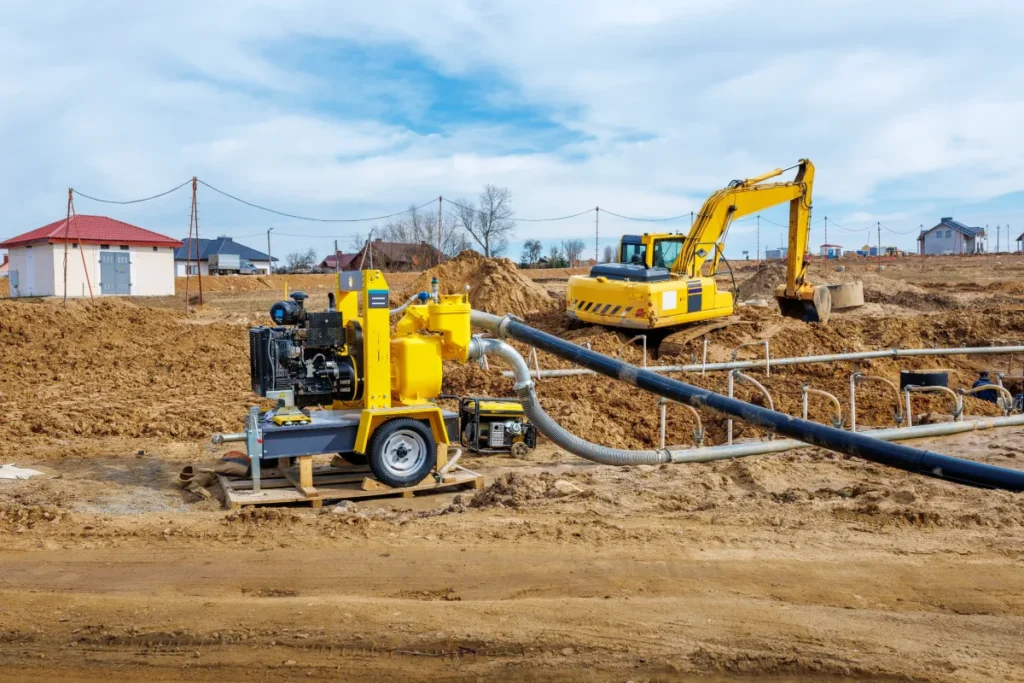
Implementation Strategy for Contractors and Municipal Projects
Adopting an integrated dredging and dewatering approach requires thoughtful planning and coordination between engineering, operations, and environmental teams. The goal is to create a system where every stage—from sediment removal to solids separation—works efficiently without bottlenecks or delays.
A structured implementation strategy should include:
- Planning integrated workflows: Begin with a detailed project assessment covering sediment type, water volume, discharge location, and site access. Map out how dredging and dewatering service stages will connect in sequence to maintain steady flow and throughput.
- Selecting compatible equipment: Choose pumps, pipelines, and dewatering technologies that align in terms of capacity and material-handling capability. Proper sizing ensures consistent performance and reduces maintenance costs.
- Training and operational safety: Equip teams with hands-on training for both dredging and dewatering systems. Emphasize equipment inspection, safe handling of polymers or additives, and environmental monitoring.
- Quality control and monitoring: Establish on-site testing protocols for solids concentration, turbidity, and discharge compliance. Continuous feedback helps maintain optimal performance and regulatory adherence.
When planned and executed correctly, an integrated system not only streamlines project delivery but also enhances environmental stewardship and long-term operational efficiency.
Conclusion: The Future of Cost-Efficient Dredging Operations
Integrated dredging and dewatering systems represent the future of efficient sediment management. As technology advances and environmental standards tighten, these unified models are becoming the industry standard for contractors seeking better control, faster timelines, and lower operational costs. Beyond immediate savings, integration fosters long-term resilience, ensuring that every project meets compliance and sustainability goals while maintaining peak productivity.At Lone Star Dredge, we help clients implement end-to-end dredging and dewatering solutions tailored to their specific site conditions and performance needs. Our integrated approach delivers both economic and environmental value, setting a new benchmark for cost-efficient, responsible dredging operations.