
Texas is shaped by water as much as it is shaped by land. Across the state, rivers serve as transportation corridors, flood relief systems, recreational destinations, and economic lifelines. Major waterways such as the Trinity River, Brazos River, Colorado River, San Jacinto River, and the Rio Grande stretch across urban centers, agricultural regions, industrial zones, and coastal landscapes. These rivers support shipping routes, supply water for cities and farms, provide recreational access, and play a critical role in protecting communities from flooding.
Healthy river systems allow boats to travel safely, enable stormwater to move efficiently, and reduce the strain placed on surrounding infrastructure during heavy rain events. When rivers lose depth or capacity due to sediment buildup, the consequences become serious. Navigation becomes unpredictable, flood risks increase, and local economies feel the impact.
Dredging is one of the most effective tools available to maintain the balance between natural river processes and human needs. By removing accumulated sediment and restoring channel capacity, dredging helps keep rivers functional and reliable. Texas river dredging is not an optional activity but a necessary part of long-term river management. When done correctly, it supports navigation, enhances flood preparedness, and strengthens community resilience across the state.
What Is Dredging and Why It Matters in Texas
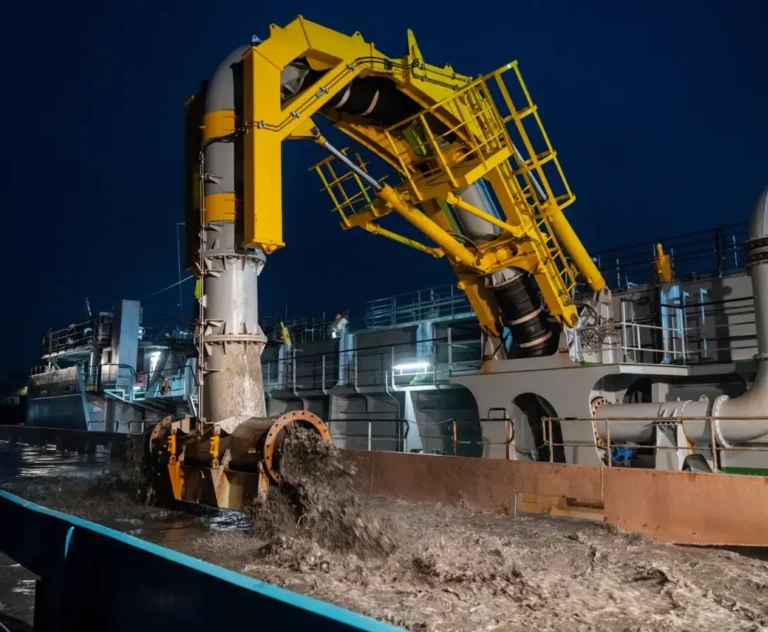
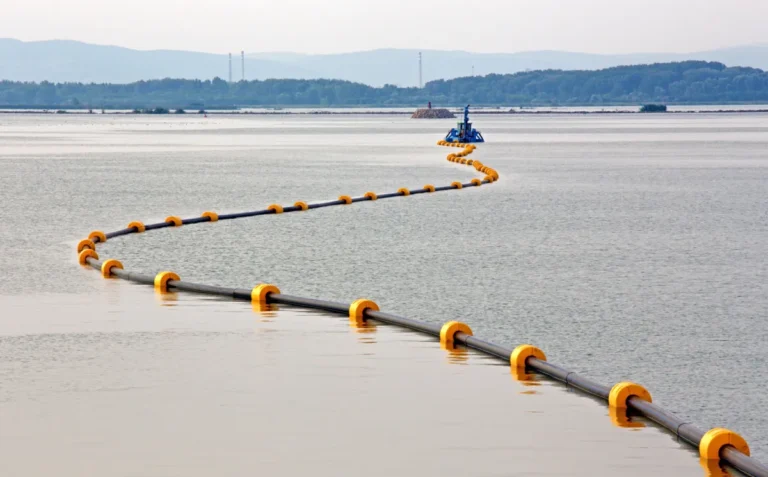
Dredging is the process of removing sediment, sand, silt, and debris from the bottom of rivers and waterways. Over time, flowing water naturally carries sediment downstream. When currents slow, this material settles on the riverbed. In Texas, this process happens quickly due to large watersheds, soil composition, and frequent storm events.
There are several forms of dredging used throughout the state, each serving a distinct purpose. Texas river dredging focuses on maintaining river depth and restoring natural flow patterns. Flood control dredging targets areas where sediment buildup reduces a river’s ability to carry high volumes of water during storms. River navigational dredging is aimed at keeping channels safe and accessible for boats, barges, and recreational vessels.
Rivers like the Trinity and Brazos experience consistent sediment accumulation after heavy rainfall. As sediment builds, channels become shallower and narrower. Without intervention, this reduces both navigability and flood capacity. Texas river dredging addresses this natural process by removing excess material before it creates larger problems.
In a state as large and diverse as Texas, dredging is a practical solution that supports infrastructure, safety, and economic stability.
The Challenges Texas Rivers Face
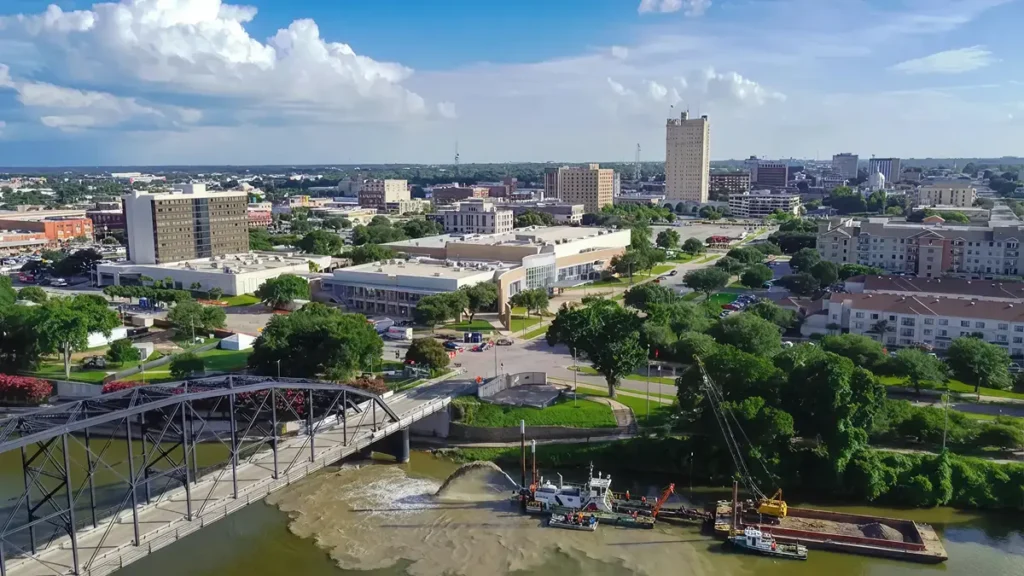
Texas rivers face a combination of geographic, climatic, and developmental challenges. The state’s expansive watersheds collect runoff from vast areas, funneling sediment into river systems. Clay-heavy soils common in many regions break down easily and are carried into waterways during storms.
Seasonal flooding patterns further complicate river management. Central Texas is known for intense rainfall events that cause rapid rises in river levels. Historic flood events have shown how quickly rivers can overflow when channels are constricted by sediment. Coastal regions face prolonged high-water conditions during tropical storms and hurricanes, placing additional stress on river systems.
Sediment buildup leads to several significant issues:
- Shallow sections that pose hazards to recreational and commercial boats
- Reduced channel capacity that limits a river’s ability to handle floodwaters
- Economic disruption when marinas, ports, and riverfront businesses lose access
- Ecological changes caused by altered flow patterns and sediment distribution
Flood control dredging directly addresses these challenges by restoring channel depth and improving flow efficiency. Without proactive dredging, sediment accumulation continues to increase risk over time.
How Dredging Improves Navigation
River navigational dredging plays a vital role in keeping Texas waterways open and safe. Navigation depends on predictable channel depth and clear passage. When sediment accumulates, boats can run aground or encounter unexpected obstacles.
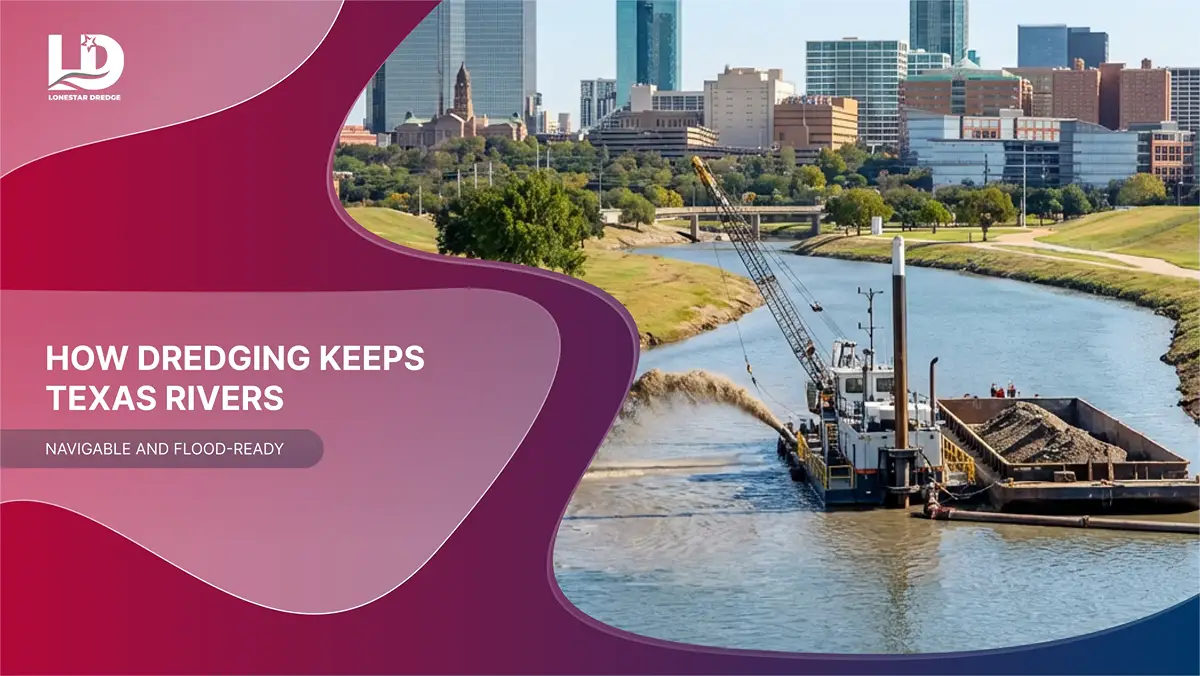
Along the Trinity River near the Dallas–Fort Worth area, recreational boating is a popular activity. After heavy rain events, sandbars often form in previously navigable areas. Texas river dredging removes these obstructions and restores safe travel routes for boaters and emergency responders.
The Brazos River supports marinas, access points, and industrial operations in several regions. River navigational dredging helps maintain these connections, ensuring that vessels can reach their destinations without delays or damage.
When navigation improves, the benefits are immediate and long-lasting. Boating becomes safer. Tourism and recreation increase. Commercial operations experience fewer interruptions. River navigational dredging supports economic activity while enhancing public safety.

Dredging for Flood Control
Flood control dredging is one of the most important applications of dredging in Texas. Rivers are designed to carry water, but sediment buildup reduces their effectiveness. As channels become shallower, water levels rise more quickly during storms, increasing the risk of flooding.
By removing accumulated sediment, flood control dredging increases channel capacity. This allows rivers to move larger volumes of water without overtopping banks. The result is reduced pressure on levees, bridges, and surrounding neighborhoods.
In the Houston area, waterways connected to the San Jacinto River are closely monitored due to their role in regional flood management. Flood control dredging helps manage stormwater before it reaches densely populated areas. Along the Gulf Coast, dredging is often completed ahead of hurricane season to prepare channels for extreme rainfall.
In the Hill Country, where flash floods develop rapidly, dredging helps maintain clear pathways for water to move downstream. Flood control dredging does not eliminate flooding entirely, but it significantly reduces damage and improves response time.
Environmental Considerations in Dredging Projects
Modern dredging projects are carefully planned to protect the environment. Responsible Texas river dredging balances human needs with ecological health. Project timing is often adjusted to avoid sensitive periods for fish and wildlife.
Sediment management is another key consideration. Removed material may be evaluated for beneficial reuse, such as shoreline stabilization or habitat restoration, when conditions allow. This approach reduces waste and supports sustainable river management.
Collaboration with state and federal agencies ensures compliance with environmental regulations. Permitting and oversight guide dredging activities to minimize impacts on water quality and ecosystems. When done responsibly, dredging can support healthier river systems over the long term.
Lone Star Dredge Services: Your Texas River Dredging Partner
Lone Star Dredge Services is a trusted partner for dredging projects across Texas. With strong roots in the state, the company understands the unique behavior of local rivers and the challenges they face.
Lone Star Dredge Services brings hands-on experience in Texas river dredging, flood control dredging, and river navigational dredging. The team works with municipalities, private landowners, and commercial clients to deliver practical solutions tailored to each site.
Key services include sediment removal, channel restoration, access improvement, and long-term maintenance planning. Projects range from small community waterways to major river systems. The company’s familiarity with Texas permitting requirements helps projects move forward efficiently and responsibly.
What sets Lone Star Dredge Services apart is its focus on results. Every project is designed to improve safety, navigation, and flood readiness while respecting the surrounding environment.
Real-World Project Highlights
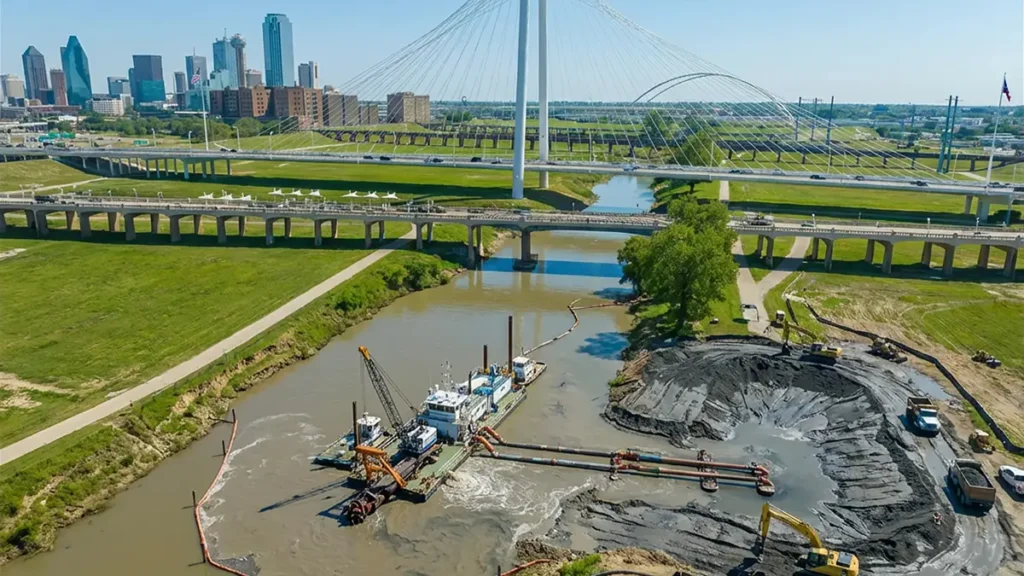
Across Texas, dredging projects demonstrate measurable benefits when planned and executed properly.
- Navigational dredging on the Trinity River near Fort Worth restored safe boating access after sediment buildup reduced channel depth.
- Flood control dredging ahead of hurricane season along Gulf Coast tributaries increased channel capacity and reduced flood risk for nearby communities.
- Sediment removal on community lakes that feed into larger rivers improved water flow and reduced downstream sediment accumulation.
These examples show how targeted Texas river dredging addresses both navigation and flood preparedness at the local level.
Benefits to Texas Communities
The benefits of dredging extend beyond the riverbanks. Economically, dredging supports ports, marinas, tourism, and waterfront development. Reliable waterways attract investment and help local businesses thrive.
From a public safety perspective, flood control dredging reduces risks to homes, roads, and critical infrastructure. Emergency response efforts are more effective when rivers behave predictably during storms.
Environmental benefits are also significant. Improved water flow supports healthier aquatic habitats and more stable ecosystems. Texas river dredging strengthens the connection between natural systems and the communities that depend on them.
How to Get Started with a Dredging Project in Texas
Every dredging project begins with a thorough assessment. Understanding sediment levels, flow patterns, and access needs helps define the scope of work. Early evaluation also identifies potential permitting requirements.
Permitting is a critical step for Texas river dredging projects. Coordination with state and federal agencies ensures compliance and avoids delays. Working with an experienced dredging partner simplifies this process.
Lone Star Dredge Services offers consultations to help clients evaluate their needs and develop effective dredging plans. From initial assessment through project completion, the focus remains on safety, efficiency, and long-term performance.
Building Resilient Texas Rivers for the Future
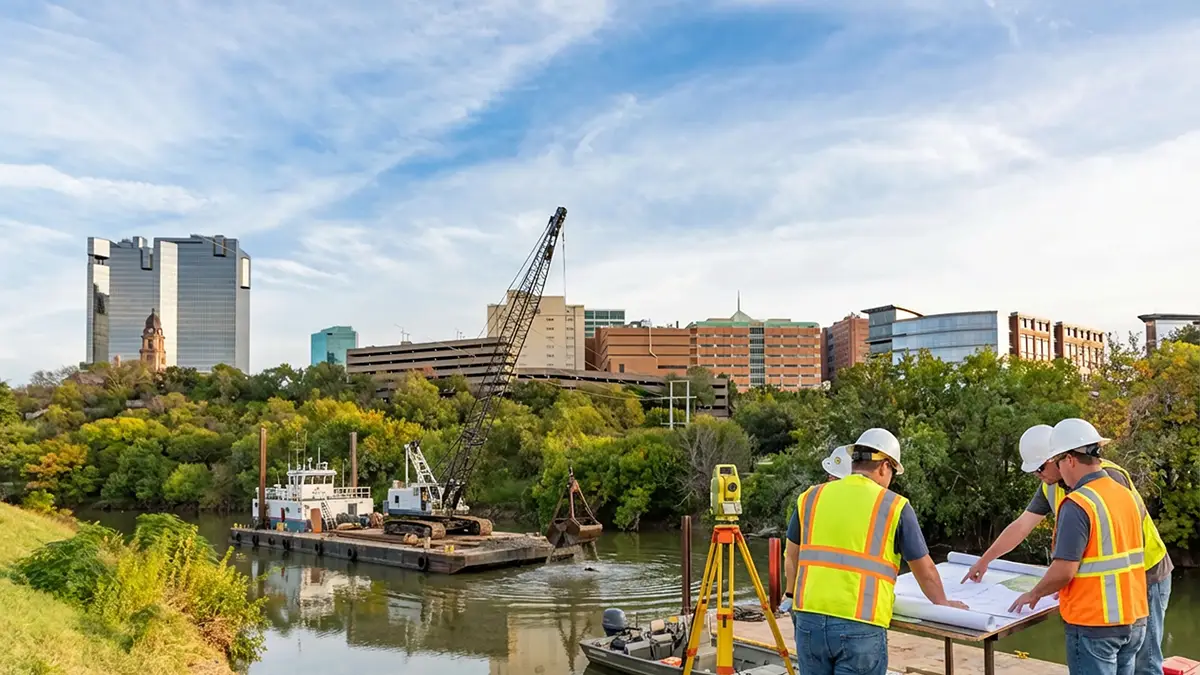
Dredging plays a vital role in keeping Texas rivers navigable and flood-ready. By managing sediment buildup, dredging supports navigation, reduces flood risk, and protects communities across the state. Texas river dredging, flood control dredging, and river navigational dredging each contribute to healthier, more resilient waterways.
With proven experience and a strong commitment to Texas communities, Lone Star Dredge Services continues to deliver dependable dredging solutions. Investing in river maintenance today helps ensure safer waterways, stronger infrastructure, and a more flood-ready Texas for years to come.